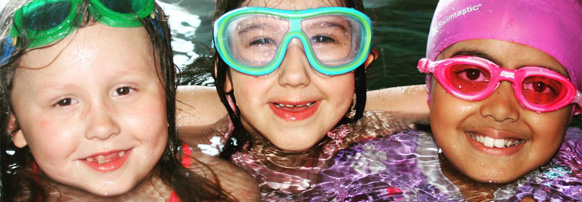

How Long Does It Take a Child to Learn to Swim?
How Long Does It Take a Child to Learn to Swim? (Honest Answer)
If you’ve just signed your child up for lessons — or you’re still on the fence — this is probably one of the first questions in your head. And the answer you’ll find on most swim school websites is some version of ‘every child is different.’ Which is true, but not very helpful.
So here’s the honest version.
What ‘learning to swim’ actually means
Before we talk timelines, it’s worth being clear about what we mean. There’s a big difference between a child who can splash around without panicking and a child who can swim 25 metres independently with a recognisable stroke. Most parents are somewhere in the middle — they just want their child to be safe in water and not terrified of it.
For most children, that first milestone — genuine water confidence and basic self-rescue skills — is achievable within 6 to 12 months of consistent weekly lessons. Full independent swimming across a pool typically takes 1 to 3 years depending on the child.
The factors that actually make a difference
Age matters, but not in the way most people think. Younger isn’t always faster. A 4-year-old who starts lessons will often progress more slowly than a 6-year-old who starts later, simply because of where they are developmentally. What matters far more is:
Consistency. Weekly lessons build muscle memory and water confidence in a way that fortnightly lessons simply can’t match. We see the biggest difference between children who attend every week without gaps and those who miss regularly — even a two-week break at an early stage can set a child back noticeably.
Class size. In a class of 10 children, your child might get 5 to 6 minutes of actual teaching time per session. In a class of 4 or 5, they’re in the water and being coached almost the whole time. The maths is straightforward — smaller groups mean faster progress.
The right teaching environment. Nervous or anxious children don’t learn well when they feel overwhelmed. Rushing a child who isn’t ready, or putting them in a noisy environment with lots of other children, often slows things down. Some children — particularly those with additional needs — need a calmer, more structured environment to make any progress at all.
What to expect in the early stages
In the first few weeks, don’t expect to see your child powering up and down the pool. What you’re looking for is subtler: are they less clingy at the pool edge? Are they willing to put their face in? Are they listening to the teacher? These are the real signs that progress is happening.
By weeks 6 to 8 with consistent attendance, most children will be moving more independently in the water, even if it doesn’t look polished yet.
One more thing worth saying
If your child has been in lessons for a year and you’re not seeing progress — it’s worth asking why. Sometimes it’s the class size. Sometimes it’s a mismatch between the child’s needs and the teaching approach. Some children, particularly those with autism or sensory sensitivities, need a specialist programme rather than a standard class.
At Love to Swim, we keep our groups to a maximum of 5 swimmers across all our East London sites, including Royal Docks. It’s not a marketing line — it’s the single biggest factor in how quickly children progress with us.
If you’re wondering whether your child is in the right environment, or you’re looking for lessons that move at your child’s pace, get in touch — we’re happy to talk it through before you book.
Contact